Treatment
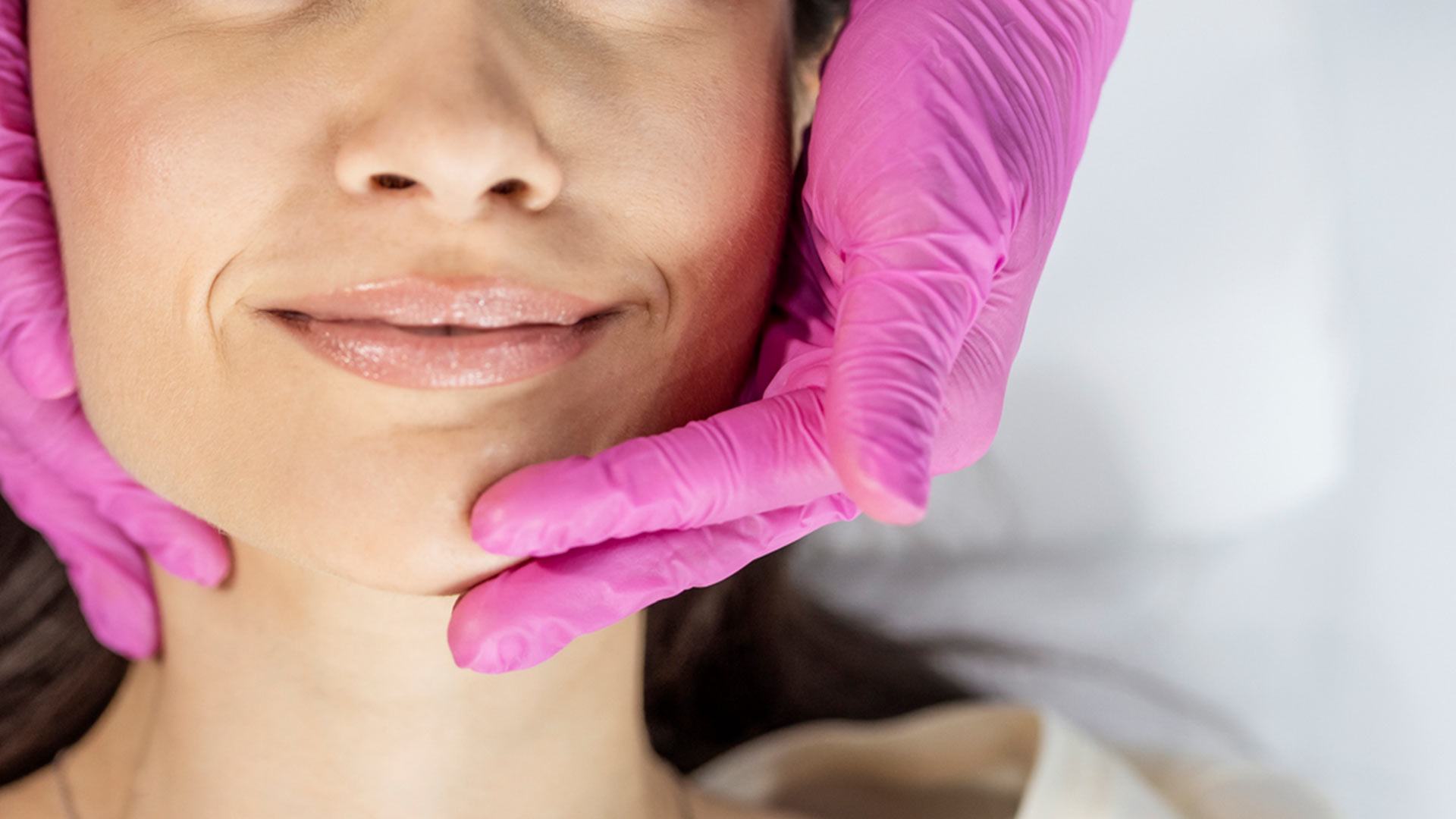
Chemical Peel · Deep Clean Enzyme Peel
45 mins
What it is
A chemical peel is a cosmetic treatment that uses a chemical solution to exfoliate and renew the skin. It works by removing the outer layer of damaged skin cells, which stimulates the skin's own collagen and hyaluronic acid production for a renewed appearance. Appointments typically take 45 minutes to one hour, and recovery generally ranges from zero to three days depending on the peel used.
What it can address
Peels are used for a range of skin concerns, including skin texture, pigmentation, acne scarring, enlarged pores and hydration. They also provide light exfoliation and act as a delivery method for active ingredients, which can support the effectiveness of your regular skincare. Results and the degree of improvement vary between individuals.
The peel range
The clinic offers five specialised peels, each suited to different concerns. The Cosmo Peel targets wrinkles, signs of ageing and dark spots and suits all skin types. The Cosmo Peel Forte is a stronger formula aimed at signs of ageing, acne and pigment spots, with collagen and elastin stimulation. The Mask Peel targets uneven skin tone, age spots, hyperpigmentation and skin clarity. The Milk Peel focuses on frown line roughness, luminosity and radiance without visible peeling. The Mela Peel Forte targets uneven tone, age spots, hyperpigmentation and clarity with minimal downtime. Your practitioner will recommend the peel most suited to your skin during consultation.
What to expect afterwards
Immediately after a peel you may notice temporary redness or a flushed appearance, sometimes with minor swelling. In some cases a brief white discolouration called frosting can occur, lasting up to 24 hours. Over the following two to seven days, depending on the strength of the peel, you may experience mild peeling or flaking. Lower-strength peels usually cause minimal flaking, while stronger peels may lead to shedding for about a week. Not everyone peels visibly, and a lack of peeling does not mean the treatment has not worked. Good skin preparation before the peel helps minimise recovery time.
Who it suits
A consultation determines whether a peel is right for you. Let your practitioner know about any regular medications. Peels may not be suitable if you are using certain prescription acne or retinoid medications, undergoing chemotherapy, pregnant or breastfeeding, or if you have allergies to certain ingredients (including nut allergies), sunburnt skin, cold sores, active rashes such as rosacea, or serious heart or immune conditions. Before your appointment, avoid products containing alpha hydroxy acids, beta hydroxy acids or benzoyl peroxide, and stop any exfoliating products that may cause dryness or irritation.
Results and how often
Results vary between individuals. Some improvement is generally noticeable within a month, with optimal results becoming more apparent around three months after treatment. Frequency depends on the specific peel and your skin's needs; typically a series of initial treatments is followed by maintenance sessions every three to six months. Peels can also be combined with other treatments as part of a personalised skincare plan discussed at consultation.